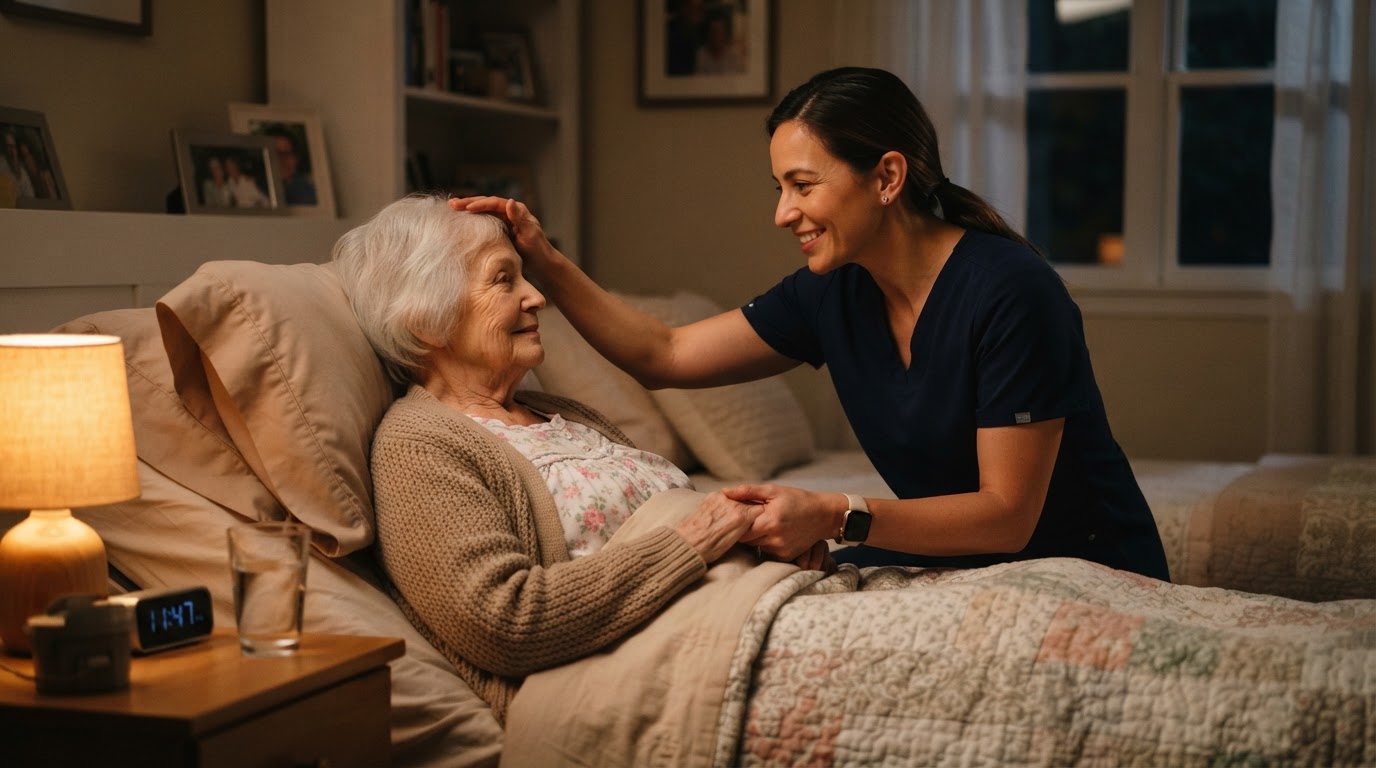
The transition from hospital to home is one of the most vulnerable moments in a senior's care journey. Families in Lakewood, Cerritos, La Palma, Artesia, Los Alamitos, Carson Park, Cypress, Buena Park, Rossmoor, and Hawaiian Gardens often discover that the work of recovery really begins when their loved one walks through the front door. A well-prepared home reduces the risk of falls, supports healing, and helps prevent a return trip to the hospital. This guide walks through exactly how to prepare your home for an aging parent coming home from a hospital stay.
Why Preparation Matters
Studies show that the weeks following a hospital discharge are when seniors are most vulnerable to setbacks. Weakness, new medications, unfamiliar routines, and a changed home environment can all contribute to falls, missed medications, or complications that lead to readmission. Preparing the home in advance gives your loved one the safest possible foundation for recovery. It also reduces stress for you as a family caregiver, because you will not be scrambling to solve problems in the moment.
Start Before the Hospital Discharge
The best preparation begins before your loved one leaves the hospital. Ask the discharge planner or nurse what your parent will need at home: equipment, mobility aids, wound care supplies, medication changes, and any activity restrictions. Request written discharge instructions and a medication list, and make sure you understand which medications are new, which have changed, and which have been stopped. Clarify follow-up appointments and whether home health care has been ordered. The more you know in advance, the smoother the transition will be.
Ask the Right Questions
Before discharge, ask whether your loved one will need a walker, cane, or wheelchair. Ask about weight-bearing restrictions, bathing limitations, and whether stairs are safe. Find out if any equipment, such as a hospital bed, shower chair, or raised toilet seat, should be in place before they arrive. Ask how to reach someone if you have questions during the first days at home.
Make the Bathroom Safe First
The bathroom is the most dangerous room in the home for a recovering senior. Install grab bars near the toilet and inside and outside the shower. Add non-slip mats inside and outside the tub or shower. Consider a shower chair or bench, a handheld showerhead, and a raised toilet seat if your loved one has mobility limitations. If possible, set up a first-floor bathroom so your parent does not need to navigate stairs during recovery. These simple modifications prevent some of the most common and serious post-discharge falls.
Clear Walkways and Reduce Fall Hazards
Walk through the home as if you were moving slowly and unsteadily, which is exactly how your loved one may feel after a hospital stay. Remove loose rugs or secure them with non-slip backing. Tuck away electrical cords along walls. Clear clutter from hallways and high-traffic areas. Ensure there is a clear, wide path from the bed to the bathroom and kitchen. For families in La Palma and Artesia, this quick pass can prevent the kind of fall that undoes weeks of hospital recovery.
Improve Lighting
Recovering seniors need more light to see clearly and avoid tripping. Replace dim bulbs with bright LED lights throughout the home. Install nightlights in hallways and bathrooms. Ensure stairways are well-lit at all times. If your loved one gets up at night, a motion-activated nightlight near the bed can guide them safely to the bathroom.
Set Up a Recovery-Friendly Bedroom
If possible, arrange a bedroom on the ground floor so your parent does not need to climb stairs during recovery. Place the bed at a height that makes it easy to get in and out of. Keep essentials within easy reach: water, medications (with reminders), a phone, glasses, and a lamp. Consider a bedside commode if the bathroom is far away. The goal is to make the things your loved one needs most easy to reach without effort or risk.
Stock the Kitchen for Easy Meals
Recovery requires nutrition, but your loved one may not have the energy to cook. Stock the kitchen with easy-to-prepare, nutritious foods. Pre-portion meals, low-sodium soups, fresh fruit, and plenty of water within easy reach. If your parent has dietary restrictions from the hospital, follow them closely. A caregiver can help with meal preparation tailored to recovery needs, which is especially helpful for families in Los Alamitos and Carson Park managing their loved one's nutrition alongside everything else.
Organize Medications
After a hospital stay, medications often change. Create a clear medication schedule and gather all prescriptions in one place. Use pill organizers if helpful. Post the discharge medication list on the refrigerator so it is visible to anyone providing care. The most common post-discharge complications involve medication, missed doses, double doses, or adverse interactions, so a clear system is essential. A home caregiver can provide reliable medication reminders to keep recovery on track.
Arrange In-Home Care Before Discharge
Do not wait until your loved one is home to line up help. Arrange in-home care before the discharge so a caregiver is ready the day they arrive. Post-hospital recovery care can assist with bathing, dressing, and toileting during the first vulnerable days; provide medication reminders; help with safe mobility and transfers; prepare meals; and offer standby assistance during high-risk activities like showering and walking. For families in Cypress and Buena Park, having a caregiver in place from day one can make the difference between a smooth recovery and a setback.
Same-Week Care Is Often Available
If a hospital stay comes unexpectedly, same-week and sometimes same-day care is available. Do not hesitate to call, even at the last minute, if your loved one is being discharged and you are not ready.
Plan for Follow-Up Appointments
Recovery does not end at home. Schedule follow-up appointments with your loved one's primary care doctor and any specialists before or shortly after discharge. Arrange transportation to those appointments, since your parent may not be able to drive safely. A caregiver can provide transportation and accompaniment, ensuring your loved one keeps every follow-up and that their recovery stays on track.
Watch for Warning Signs
Know the symptoms that should prompt a call to the doctor: new or worsening pain, signs of infection like fever or redness, confusion or sudden cognitive changes, difficulty breathing, and any new fall. Keep the hospital and physician contact numbers posted in an easy-to-find place. Early intervention prevents complications from becoming emergencies.
You Do Not Have to Do It Alone
Preparing a home for a hospital discharge is a lot to manage, especially when you are also emotionally processing your loved one's hospitalization. We help families across Rossmoor and Hawaiian Gardens, and every community we serve, prepare for a safe recovery at home. From the first day home through the weeks of healing, a caregiver can provide the support that lets your loved one recover comfortably and safely. Call (562) 213-9941 or book a free consultation today to arrange post-hospital care.


